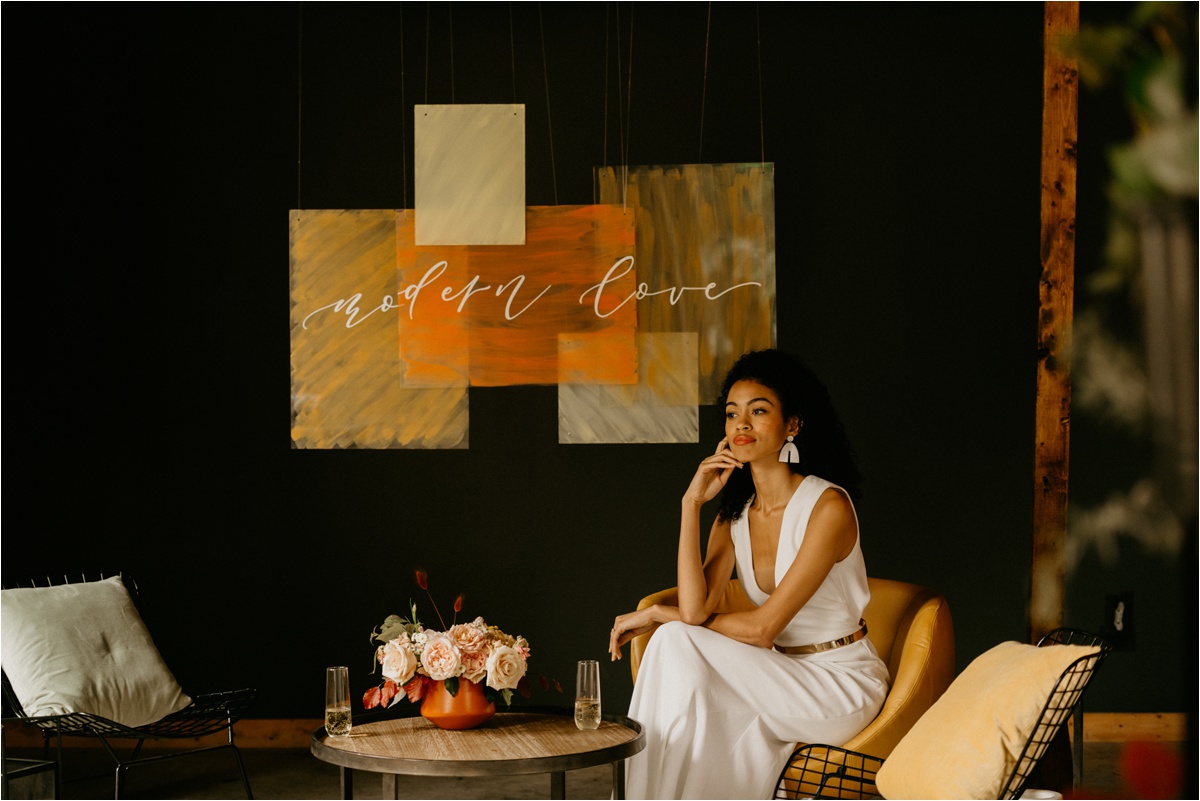
Best Small Wedding Venues in Milwaukee
The best small wedding venues in Milwaukee aren’t just places; they’re experiences brimming with charm, elegance, history, or sometimes all three combined! Imagine saying “I do” under rustic wooden beams or surrounded by historic art pieces.
Picture this: you’re engaged, floating on cloud nine, and can’t wait to start planning your big day. You’ve always dreamed of a cozy, intimate celebration with close family and friends in Milwaukee, Wisconsin. But where do you even begin searching for that perfect venue? There are so many options!
This guide will whisk you through seven standout venues that promise to make your special day nothing short of extraordinary. From gems like South Second to luxurious options such as The Hyde at St. James 1868 – there’s something here for every couple’s unique taste.
Let’s get to it!
The Box: A Unique and Intimate Wedding Venue in Milwaukee
If you’re searching for a unique wedding venue that offers intimacy and versatility, The Box might be the perfect fit. This gem of a spot caters to small weddings with an impressive capacity of up to 175 guests.
Rustic Charm at The Box
Imagine saying your vows surrounded by warm wood accents, exposed brick walls, and vintage-inspired decor. This rustic charm makes The Box stand out among other Milwaukee wedding venues.
In addition to its unique aesthetic appeal, it also provides outdoor space, which allows couples the option of an indoor or outdoor ceremony – giving them the best of both worlds.
There’s no need to fret about Wisconsin weather here; if rain decides to grace your big day, there’s plenty of room indoors without compromising on ambiance or comfort. This flexibility is part of what gives The Box its status as a preferred intimate wedding venue in Milwaukee.
When you step into The Box, you are stepping into history, too. Originally built as Cawker City Plankinton Building in 1891-92 by famed architect Alexander Eschweiler, it is a one-of-a-kind event space combining old-world charm with modern amenities – all under one roof.
The combination of history with urban sophistication creates an atmosphere that can only be described as uniquely “Milwaukee.” It’s not surprising why so many couples choose this place over more conventional options like banquet halls or country clubs when they want their special day remembered forever…

Amenities Offered:
- An inviting lounge area.
- A spacious main hall that can be transformed to match your vision.
- Access to a fully equipped kitchen for caterers.
The Box isn’t simply a place to tie the knot. It’s an unforgettable journey, etching lasting memories long after the final dance and when the lights fade out. Its distinctive mix of old-world allure and history makes it stand out.
Key Takeaway:
The Box is more than just a wedding venue in Milwaukee; it’s an experience. With its rustic charm, versatility for indoor or outdoor ceremonies, and rich history dating back to 1891, this unique spot creates unforgettable memories for small weddings. Its blend of vintage appeal and modern amenities sets it apart from conventional options.
South Second: An Urban Gem for Small Weddings
Set in the heart of Milwaukee, South Second is a dream come true for couples looking to tie the knot in an urban setting. This venue embodies modernity and intimacy, creating an idyllic backdrop for your small wedding.
This spot is situated on South Barclay Street, not just another banquet hall or event center. Its location adds a unique flavor to downtown Milwaukee, making it stand out among other intimate wedding venues.
This modern gem has been hosting special events since its inception and has garnered rave reviews from couples tying the knot. But don’t let us do all the talking – ask any couple who’s celebrated their big day here, like Bridget & Matt.
A Blend of Modernity and Intimacy
The charm of South Second lies in its ability to merge contemporary aesthetics with warmth often associated with smaller weddings. The exposed brick walls lend an industrial feel while maintaining coziness, perfect for close-knit celebrations.
Couples can expect flexible indoor spaces suitable for both ceremony and reception—no need to shuttle guests between locations. From open-plan interiors that can be tailored according to taste, every detail at South Second ensures your wedding day reflects you as a couple perfectly.
An Ideal Size For Your Special Day
Finding a space that fits your guest list, like Cinderella’s glass slipper, isn’t always easy when planning intimate nuptials, but fear not. With room to accommodate 150-275 people comfortably, depending on seating arrangement choice, no one will feel cramped or left out at South Second.
In The Heart Of Milwaukee
“You know you’re in love when you can’t fall asleep because reality is finally better than your dreams.” – Dr. Seuss
In this case, South Second might just be the reality that outshines all of your wedding venue dreams. Located in Walker’s Point neighborhood, just south of downtown Milwaukee, its unique location allows couples to incorporate city vibes into their big day.
The surrounding area is bustling with energy and rich history—a fitting complement to a joyous celebration. You could even sneak away for some stunning waterfront photos with Lake Michigan nearby.
Key Takeaway:
South Second is the perfect urban gem for small weddings in Milwaukee. With its modern and intimate design, flexible spaces, capacity to comfortably accommodate 150-275 guests, it’s a dream venue that reflects your style as a couple perfectly. Nestled downtown with Lake Michigan nearby – your city-style wedding dreams come true.
Ambassador Hotel – A Touch of Elegance for Your Special Day
With its timeless elegance and classic charm, the Ambassador Hotel is a top choice among couples planning an intimate wedding in Milwaukee.
This small wedding venue doesn’t skimp on style or sophistication. Its Art Deco architecture harks back to a bygone era while providing all the modern amenities you need for your big day.
An Elegant Setting with Unique Features
The Ambassador’s grand ballroom offers a stunning backdrop for both ceremonies and receptions – a wedding photographer’s dream! This popular wedding venue boasts high ceilings, crystal chandeliers, and ornate details, adding instant glamour to any event.
In addition to this breathtaking indoor space, an outdoor patio is perfect for cocktail hours or smaller gatherings under the stars.
Luxurious Accommodations at Your Fingertips
Couples who choose Ambassador as their wedding venue get more than just beautiful event spaces; they also gain access to luxurious accommodations. The hotel’s spacious suites offer plenty of room for bridal parties to prepare before walking down the aisle – no need to worry about cramping everyone into one tiny room here.
Sophisticated Dining Options Galore
No elegant affair would be complete without equally impressive food offerings – but don’t worry: The Ambassador has also got you covered there.
Their renowned chefs create culinary masterpieces tailored specifically to each couple’s tastes, ensuring every guest leaves raving about how beautiful everything looked and tasted.
In conclusion, if you’re looking forward to having an unforgettable small yet classy Milwaukee wedding with vintage flair, look no further than Ambassador Hotel. With its luxurious accommodations, gourmet dining options, and striking event spaces, it truly offers a touch of elegance for your special day.
Key Takeaway:
Think about the Ambassador Hotel for a small, elegant wedding in Milwaukee. Its art deco style and up-to-date amenities give your big day some extra shine. The grand ballroom’s tall ceilings and glittering chandeliers make ceremonies and receptions breathtaking. Plus, there’s an outdoor patio space that’s just right for intimate gatherings or cocktail hours.
The Grace Center – Classic Sophistication for Your Intimate Wedding
If you’re dreaming of a wedding steeped in elegance, then The Grace Center might be your ideal venue. Located in the heart of downtown Milwaukee, this spot is an emblem of classic sophistication.
Ceremony and Reception at The Grace Center
A blend of historic charm and modern amenities makes The Grace Center one-of-a-kind. With the capacity to host up to 250 guests, it caters perfectly to intimate weddings while still providing ample space for your loved ones.
You’ll find yourself enamored with its elegant design that exudes warmth and welcomes every guest into its fold. Not just another event center; this place feels like home as soon as you step through the door.
There is no need to stress about transitioning from the ceremony site to the reception hall either – here, they are all under one roof. If you’re looking forward to having some breathtaking outdoor photographs taken on your big day, Lake Michigan is merely blocks away.
To add more sparkle to your special day, there’s also the option for catering services, which can be tailored according to individual needs and tastes. After all, what’s better than sharing good food with great people?
Finding That Perfect Balance
One key factor when choosing a wedding venue is striking that perfect balance between size and atmosphere. Too small can feel cramped, but too large may not give off those cozy vibes we crave during such personal celebrations.
The Grace Center nails this balance by being spacious yet invitingly warm at the same time, making sure everyone present has room enough without losing any sense of intimacy or closeness amongst family & friends gathered together to celebrate love.
So, if you’re looking for a wedding venue that exudes classic sophistication, caters to your unique needs, and ensures every moment of your special day is unforgettable, consider The Grace Center.
Charles Allis Art Museum – A Historic Setting for Your Small Wedding
If you’re seeking a wedding venue that exudes both history and charm, the Charles Allis Art Museum might be just what you need. This Milwaukee gem is steeped in culture and offers an intimate setting for your small wedding.
This historical museum can comfortably accommodate 120 guests for a sit-down dinner and up to 150 in audience-style seating. So whether you’re planning an elegant reception or a heartfelt ceremony, this unique location caters to the various needs of soon-to-be-weds.
Dinner and Audience-Style Seating Options
The Charles Allis Art Museum prides itself on flexibility when it comes to accommodating different types of weddings. For those dreaming of a traditional sit-down dinner with their closest family and friends, the venue’s capacity allows up to 120 attendees.
But if your vision includes more guests witnessing your vows without losing the intimate atmosphere, then their audience-style setup could be perfect. With space enough for 150 spectators, every loved one will have front-row seats as you say ‘I do’ against the backdrop of magnificent art pieces.
To add further allure, hosting at this museum gives couples access to its collection of decorative arts spanning from ancient times till today—offering something beautiful around every corner. Not many venues give such rich cultural immersion while keeping things personal—a reason why it’s often sought after by those desiring smaller ceremonies yet wanting them meaningful.
In short, choosing Charles Allis means saying yes to each other and embracing art history alongside a love story—all under one roof. Contact them today to request pricing!
Key Takeaway:
Picking the Charles Allis Art Museum for your wedding spot is like making vows in a culturally rich, historic place. This venue can flexibly accommodate intimate dinners for 120 folks or larger gatherings up to 150 guests—all surrounded by stunning art. So, you’re not just tying the knot with each other but also saying ‘yes’ to art.
North Point Lighthouse – An Intimate Wedding Venue with a View
If you’re searching for an intimate wedding venue in Milwaukee that combines historic charm and breathtaking views, look no further than the North Point Lighthouse. This gem of a location offers stunning Lake Michigan vistas and accommodates up to 175 guests.
This small wedding venue is more than just its impressive panoramic view. It’s also steeped in history, offering a unique backdrop for your special day. The lighthouse itself has been guiding ships safely since 1855, so why not let it guide you into married life?
The North Point Lighthouse gives off an air of intimacy that larger venues can’t replicate. Just imagine saying “I do” while overlooking the lake.
An Unforgettable Experience at North Point Lighthouse
The picturesque surroundings aren’t all this place has going for it; their service is top-notch, too. From event planning assistance to vendor recommendations, they’ll make sure every detail of your big day runs smoothly.
A Beautiful Blend Of History And Nature
Marrying inside one of Wisconsin’s oldest functioning lighthouses means being part of history. But what makes this place really stand out are those awe-inspiring views over Lake Michigan – unforgettable moments guaranteed.
No matter where you turn at North Point Lighthouse, there’s something beautiful to see: lush greenery surrounding the building adds a touch of serenity, while the blue waters offer a calming backdrop.
So if you’re dreaming of an intimate wedding venue that offers historical charm and natural beauty, look no further. North Point Lighthouse could be just what you need for your special day.
Key Takeaway:
North Point Lighthouse in Milwaukee is a small wedding venue that perfectly blends history, nature, and intimacy. With its breathtaking views of Lake Michigan, room for up to 175 guests, and top-notch service, it provides an unforgettable setting for your special day.
The Hyde at St. James 1868 – A Luxurious Option for Small Weddings
For those seeking a unique, luxurious, small wedding venue in Milwaukee, look no further than The Hyde at St. James 1868. This chic locale in the center of Milwaukee offers a perfect blend of vintage allure and contemporary class to create an experience you won’t forget.
Every inch of The HYDE screams sophistication. Its lavish interior design, paired with a tasteful selection of artwork, offers a grand backdrop for your special day. Whether you’re envisioning an intimate ceremony or a lively reception, The Hyde effortlessly accommodates both scenarios.
Celebrate in Style at This Elegant Venue
Beyond its visual appeal, what sets The Hyde apart is its capacity to host up to 150 guests comfortably while maintaining that cozy feel essential for intimate weddings. This makes it not just visually stunning but also practical and flexible.
This exquisite event space has been carefully curated by professionals who understand the importance of creating memorable moments on such important occasions as weddings.
Luxury Meets History – An Unforgettable Experience
The site’s rich history also adds another layer of intrigue; after all, how many can say they tied the knot in one of Milwaukee’s oldest establishments? Yet despite being steeped in tradition and old-world charm, every corner exudes modern luxury — ensuring you get that ‘best-of-both-worlds’ feeling during your big day.
Say “I Do” With Elegance And Class At The Hyde
If you want your wedding photos to tell a story about love wrapped in elegance and class, then there is no better place than here. Ren Lenhof from Studio 29 Photography is an expert at capturing this venue’s beauty and ensuring that your wedding photos look nothing less spectacular.
From its grand interior to its historic significance, The HYDE at St. James 1868 promises a luxurious experience for any couple looking to celebrate their special day in style.
The Green Room: A Plant-filled Photography Studio & Small Event Space
Calling all Milwaukee couples planning an intimate micro wedding! If you’re considering a courthouse wedding, let me introduce you to an even better option: The Green Room.
Nestled within the Lincoln Warehouse, the Green Room provides a stylish, urban backdrop for your special day. Featuring exposed brick walls, industrial-inspired decor, and distinctive lighting, this venue is an ideal choice for couples seeking a modern, edgy ambiance. Conveniently located along the river and just across from The Bridgewater restaurant, it’s the perfect spot to transition seamlessly from celebration to cocktails and dinner.
The Green Room will provide the perfect backdrop for your wedding photos. I (Ren Lenhof) know how to make use of every nook and cranny of this space to capture the essence of your love story. From the romantic first look against the industrial windows to the dreamy couple portraits in front of the plant wall, every photo will be a work of art.
Here’s the best part: my husband is ordained, and I’m a professional photographer. That means we’ve got everything covered to make your day effortless and unforgettable. Imagine exchanging vows in a cozy, private space filled with plants and love (and incredible photo ops!).
Key Takeaway:
If you’re planning a small courthouse wedding – reconsider and have it amongst the plants at The Green Room!


FAQs in Relation to Best Small Wedding Venues in Milwaukee
What is the average cost of a wedding in Milwaukee?
The average wedding in Milwaukee can set you back about $30,000. This price tag depends on your guest list and venue choice.
Where can I have a small wedding in Wisconsin?
In Wisconsin, consider places like The Box or South Second in Milwaukee. Other spots include Door County vineyards and Madison’s historic venues.
What is a good size for a small wedding?
A good size for an intimate ceremony ranges from 50 to 150 guests. It allows meaningful interaction with each attendee.
Where can I have a micro wedding in Michigan?
You might look into unique locations such as Zingerman’s Cornman Farms or Detroit’s Gem Theatre for memorable Michigan micro weddings.
Conclusion
Choosing the best small wedding venues in Milwaukee isn’t just about picking a place. Finding a location that reflects your individual aesthetic and preference is essential when deciding on the ideal small wedding venue in Milwaukee.
The rustic charm of The Box, the urban appeal of South Second, or even the elegant sophistication at The Grace Center – each venue has its own allure.
Imagine exchanging vows amidst history at Charles Allis Art Museum, Milwaukee Villa Terrace, or with stunning views at North Point Lighthouse. And if luxury is your calling, The HYDE at St James 1868 doesn’t disappoint!
Your intimate wedding deserves a special backdrop. Explore these options visit their websites for more details and pricing requests. Make sure you pick what resonates most with your dream day vision.
Leave a Reply
You must be logged in to post a comment.
Be the first to comment